
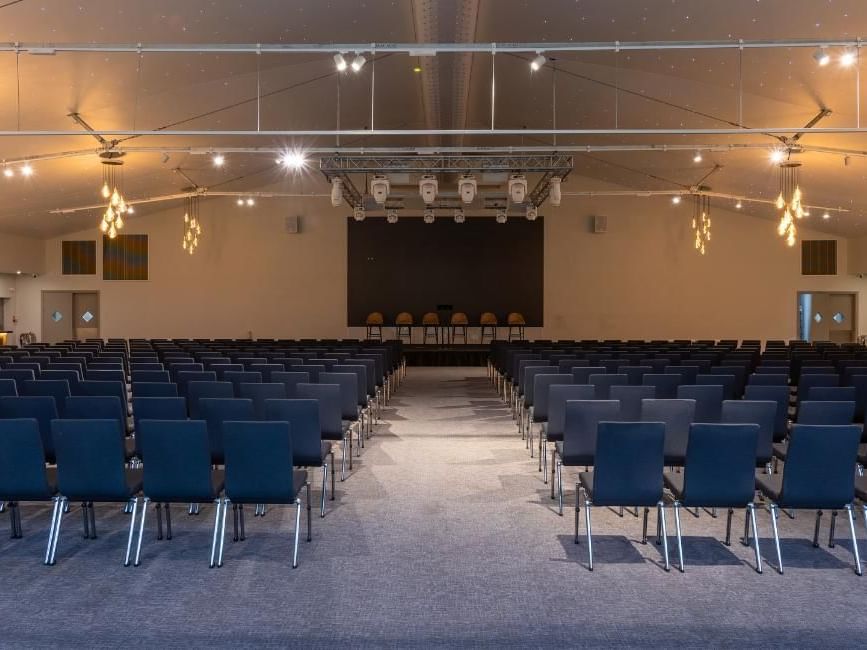
Seating Layout Strategies for Large Indoor Winter Events
Winter events demand tighter planning.
When everything moves indoors, space becomes more valuable, traffic flow becomes more sensitive, and seating mistakes become immediately noticeable.
Effective winter seating layout planning ensures your large indoor event feels organized, comfortable, and intentional—not crowded or chaotic.
Here’s how to design indoor event seating that supports smooth crowd flow and accommodates large guest seating plans without sacrificing comfort.
1. Start With the Room—Not the Guest Count
Before calculating tables and chairs, evaluate the room itself:
- Total usable square footage
- Ceiling height
- Fixed obstacles (columns, stages, bars, fireplaces)
- Entry and exit points
- Restroom locations
- Coat check or welcome table space
Large guest seating plans fail when layouts ignore physical constraints. Measure the actual functional space—not just advertised capacity.
Winter layouts often require additional areas for:
- Coat storage
- Beverage stations
- Buffet lines
- Vendor setups
Your seating plan must account for these from the beginning.
2. Calculate Space Per Guest Accurately
Indoor winter events require slightly more breathing room since guests spend nearly all their time indoors.
General spacing guidelines:
- Round tables (60”): 8 guests comfortably
- Round tables (72”): 10 guests comfortably
- Banquet tables (8’): 8 guests (4 per side)
- Cocktail layout: 8–10 sq. ft. per guest
- Seated dinner: 12–15 sq. ft. per guest indoors
When planning events for 100–200 guests, even small miscalculations can create cramped aisles and blocked pathways.
For budgeting guidance, review our table and chair rental pricing guide for Pennsylvania events.
3. Prioritize Crowd Flow Seating
Winter seating layout planning is about movement as much as placement.
- Where guests enter
- Where lines form
- Where servers move
- Dance floor placement
- Exit flow at the end of the event
Crowd flow seating should include:
- Clear 4–6 foot main aisles
- Defined secondary walkways
- Open sightlines to focal points
If guests must turn sideways to move between tables, spacing is too tight.
4. Plan Around Heat and Air Circulation
Heating systems directly impact seating comfort during winter events.
- Heating vents
- Portable heaters
- Door drafts
- Window proximity
Avoid seating guests near cold exterior walls or frequently opened entrances. Balanced seating keeps guests comfortable throughout the event.
5. Designate Functional Zones
Large indoor winter events work best when divided into clear zones:
- Dining area
- Cocktail or mingling space
- Dance floor
- Bar service
- Buffet or catering line
- Coat check
- Photo or gift area
Cluster seating strategically rather than scattering tables randomly.
Pair seating layouts with entertainment space using our portable dance floor rental options for indoor events.
6. Choose the Right Table Types for the Event
The tables you choose directly influence layout efficiency.
Round Tables
- Best for conversation
- Ideal for weddings and formal dinners
- Require more space
Banquet Tables
- Efficient use of space
- Great for corporate or school events
- Create clean lines in rectangular rooms
Cocktail Tables
- Ideal for social events
- Reduce full seating requirements
- Improve crowd flow
A mixed layout often creates the most efficient seating plan. See our guide on selecting tables and chairs based on guest count and event design .
7. Leave Room for the Unexpected
Indoor winter events commonly experience:
- Early arrivals
- Guests staying longer
- Additional coat storage needs
- Heavy beverage traffic
Include buffer space near entrances and high-traffic areas.
- Extra entrance clearance
- Wider walkways near bars
- Additional dance floor spacing
8. Think About Setup and Breakdown Logistics
Your layout must allow room for:
- Efficient setup
- Safe chair placement
- Vendor equipment access
- Smooth breakdown
Strategic spacing keeps events on schedule from setup through teardown.
Common Indoor Layout Mistakes to Avoid
- Overloading tables
- Removing aisle space to fit more guests
- Ignoring coat storage needs
- Blocking exits with buffet lines
- Placing dance floors too close to seating
The goal is balance—not maximum capacity.
Final Thoughts on Winter Seating Layout Planning
Successful indoor winter events focus on:
- Accurate space calculations
- Smooth crowd flow
- Strategic zoning
- Guest comfort
- Functional seating plans
When seating is engineered correctly, the space feels organized and welcoming.
Reserve your tables and chairs early to ensure your layout performs as well as it looks.
Need help finalizing your layout? Submit your event details through our online contact form for rental coordination.