
Winter Tent Rentals for Holiday Markets and Outdoor Events
Holiday markets and winter festivals bring a special kind of energy to outdoor spaces. Twinkling lights, seasonal vendors, warm drinks, and festive décor can turn even the coldest days into memorable experiences. But when temperatures drop, comfort and functionality become just as important as atmosphere. That’s where thoughtful cold weather tent setups play a critical role.
Whether you’re planning a holiday market, seasonal fundraiser, or outdoor celebration, winter tent rentals help protect vendors, guests, and equipment from the elements while creating a welcoming environment. In this guide, you’ll learn how winter tents are used effectively, why sidewalls, heating, and flooring matter, and how to plan a setup that supports successful outdoor events in colder conditions.
Why Winter Tent Rentals Matter for Holiday Markets
Outdoor holiday events face challenges that warmer-season gatherings don’t. Cold air, wind, and shorter daylight hours can reduce attendance and shorten how long guests stay if comfort isn’t addressed properly. A well-planned tent setup provides shelter, retains warmth, and gives vendors a reliable space to operate throughout the event.
For Christmas market tent rentals, tents serve multiple purposes at once. They protect merchandise from weather, create defined walkways for foot traffic, and help organizers control layout and flow. With the right configuration, tents also support lighting, signage, and décor that enhance the overall experience rather than distract from it.
Because winter conditions can change quickly, planning ahead with proper tent infrastructure helps ensure events remain enjoyable regardless of weather shifts.
Designing Effective Cold Weather Tent Setups
A winter tent is more than just overhead coverage. True cold weather tent setups rely on a combination of enclosure, insulation, and heating to create a comfortable interior environment.
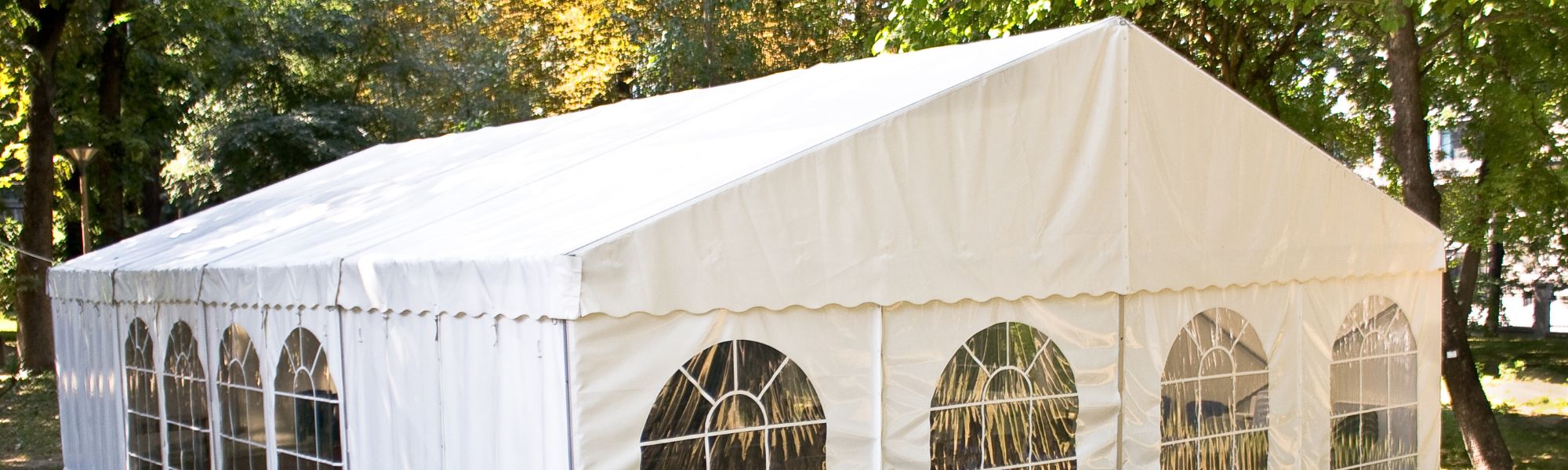
Sidewalls are one of the most important components. Fully enclosed sidewalls block wind and help trap warm air inside the tent. Windowed sidewalls are often used for holiday markets because they allow natural light during the day while still maintaining insulation. Zippered or controlled entrances help manage foot traffic without letting large amounts of cold air rush in.
Heating solutions are the next essential layer. Indirect-fired heaters are commonly used for outdoor holiday event tents because they deliver clean, warm air from outside the tent through ducting. This approach maintains consistent temperatures while supporting safety and air quality. Proper heater placement helps ensure even warmth throughout the space, especially in larger market tents.
Flooring and ground insulation are often overlooked but make a noticeable difference. Cold ground can quickly pull heat from the tent interior. Adding insulated flooring or subfloor systems improves heat retention, reduces moisture, and creates a more comfortable surface for vendors and guests spending extended time inside the tent.
For a deeper look at heating strategies, explore how to heat party tents for cold weather events, which explains heater types, placement considerations, and safety best practices.
Choosing the Right Tent Style for Winter Events
Not all tents perform the same in winter conditions. Frame tents and structure tents are often preferred because they support full sidewalls, heating equipment, and heavier anchoring. These tents also allow for wider, unobstructed interior layouts, which is especially helpful for vendor booths and walkways.
White tents are a popular choice for winter markets and seasonal events. They reflect light well, brighten darker winter days, and provide a clean backdrop for holiday décor. When paired with interior lighting, white tents help create a warm, inviting atmosphere even after sunset.
If you’re comparing options, reviewing white party tents for outdoor events can help you understand which styles and sizes work best for winter markets and seasonal gatherings.
Planning Layouts for Vendors and Guest Flow
Layout planning becomes even more important in winter. Guests move more slowly in cold weather, and vendors need enough space to manage merchandise without feeling crowded. A thoughtful layout balances warmth, accessibility, and movement.
Wider aisles help prevent bottlenecks near entrances, especially where sidewalls and heaters are installed. Central heating zones encourage guests to linger longer, while perimeter booths benefit from proper airflow and insulation. Flooring also plays a role, providing traction and stability on cold or damp days.
For larger or multi-day events, modular tent sections can be connected to create distinct zones for vendors, food service, entertainment, or seating. This approach keeps the event organized while allowing each area to be heated and enclosed appropriately.
You can view broader planning considerations within the tents event rental category to see how winter setups fit into complete event solutions.
Expert Insight: What Makes Winter Tent Events Successful
After supporting many winter markets and outdoor events, one thing remains consistent: comfort directly impacts attendance and engagement. When guests feel warm and protected, they stay longer, explore more vendors, and return for future events.
We approach winter tent planning by prioritizing enclosure first, then heating, then flooring. Sidewalls reduce heat loss, heaters maintain consistent temperatures, and insulated floors prevent cold from creeping upward. Together, these elements create a reliable environment that supports both vendors and guests.
Flexibility also matters. Weather conditions can change quickly, so setups are designed to adapt through adjustable heating, controlled entrances, and layouts that can shift as crowds grow.
FAQ: Winter Tent Rentals for Holiday Markets
What type of tent works best for cold weather events?
Frame tents and structure tents are ideal because they support full sidewalls, heating systems, and heavier anchoring required for winter conditions.
How are tents heated during winter markets?
Most winter tents use indirect-fired heaters placed outside the tent, delivering clean, warm air through ducts for consistent and safe heating.
Are sidewalls necessary for winter tent events?
Yes. Sidewalls are essential for blocking wind and retaining heat. Without them, heaters become far less effective.
Do winter tents need flooring?
Flooring is strongly recommended. Insulated flooring improves comfort, reduces heat loss, and creates a stable surface for vendors and guests.
How far in advance should winter tent rentals be planned?
Winter equipment availability is limited, so planning several weeks in advance helps ensure access to enclosed tents and heating systems.
Conclusion: Creating Comfortable Winter Events That Guests Enjoy
Winter doesn’t have to limit outdoor celebrations. With proper planning, cold weather tent setups allow holiday markets and seasonal events to remain comfortable, organized, and inviting. Sidewalls, heating solutions, and insulated flooring work together to protect guests and vendors while creating a space where people want to linger.
Want to explore winter tent planning in more detail? Visit heating party tents for cold weather events for additional insights. If you still have questions, our team is always happy to help.