
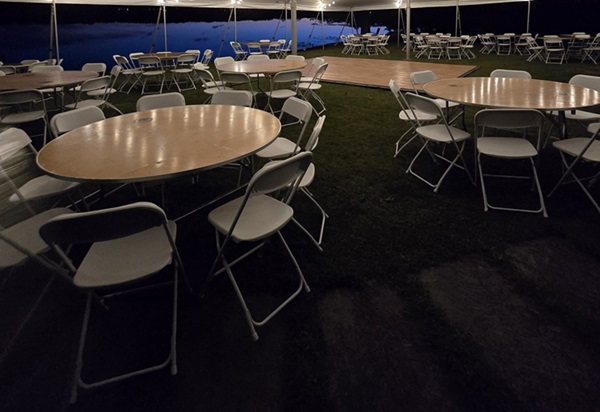
Choosing Seating Styles for Transitional Spring Events
Spring events don’t stay in one place—and neither should your seating plan.
Guests move between sun and shade, indoors and outdoors, seated and standing. If your layout can’t adapt, you’ll feel it immediately: crowding, empty areas, or uncomfortable guests.
The goal isn’t just seating. It’s smart, flexible seating that works in changing conditions.
Start With Mixed Indoor-Outdoor Seating
Spring events work best when you stop treating space as fixed.
Instead of choosing indoor vs. outdoor, plan for both:
- Indoor seating as a weather backup
- Outdoor seating for flow and atmosphere
- Covered areas for flexibility
This creates a natural transition space instead of a hard divide.
If your event includes a tent, pairing seating correctly is critical. Review how to structure tent layouts for large indoor-outdoor gatherings.
Choose Seating Styles That Match Movement
Not every guest will sit the same way—and they shouldn’t.
A well-designed spring seating plan includes a mix of:
- Dining tables for meals
- Casual seating for conversation
- Standing areas for social flow
Rigid, all-seated layouts slow your event down. On the flip side, too little seating creates frustration.
The balance is what matters.
If you’re deciding between layouts, start with comparing round tables vs banquet-style seating for different event types.
Plan for Guest Comfort (Not Just Capacity)
Most seating plans focus on numbers:
“How many chairs do I need?”
That’s the wrong first question.
Instead, ask:
- Will guests be comfortable if the temperature drops?
- Is there enough space between tables?
- Can guests easily move between areas?
Comfort drives how long guests stay, socialize, and enjoy the event.
For a deeper breakdown, see practical strategies for choosing the right tables and chairs for any event setup.
Adapt for Weather Without Rebuilding Your Layout
Spring weather changes fast. Your seating should handle that without requiring a full reset.
Here’s how:
- Place key seating under tents or covered areas
- Keep overflow seating flexible and movable
- Avoid locking all seating into one configuration
If rain hits, your event should continue—not pause while you rearrange furniture.
Pair your layout with durable white party tent structures designed for unpredictable spring conditions.
Don’t Ignore Ground Conditions
Soft or uneven ground affects seating more than people expect.
Common issues:
- Chairs sinking into the grass
- Uneven table surfaces
- Mud creating unusable areas
The solution is simple: stabilize your layout early.
Use event flooring solutions that keep seating areas level and usable.
This is especially important for dining areas, dance floors, and high-traffic zones.
Coordinate Seating With the Rest of Your Setup
Seating doesn’t exist on its own. It connects to everything else:
- Food service areas
- Dance floors
- Entertainment spaces
If these aren’t aligned, you’ll create bottlenecks.
For example:
- Keep dining areas separate from high-traffic walkways
- Position seating near—but not inside—activity zones
If your event includes entertainment, consider professional sound and lighting setups that integrate cleanly with your seating layout.
Simplify With a Coordinated Rental Approach
Trying to piece together seating, tents, and accessories separately leads to gaps.
A better approach:
- Plan seating as part of a full setup
- Bundle tables, chairs, and layout essentials
- Coordinate delivery and placement
That’s where all-in-one party rental packages that streamline your entire event setup come in.
It reduces planning time and ensures everything works together from the start.
Plan for Scale Early
If your guest count grows, your seating plan needs to scale with it.
This affects:
- Table spacing
- Traffic flow
- Service access
For larger events, don’t guess—follow proven frameworks.
Start with managing seating and logistics for large events without last-minute issues.
Final Take: Flexible Seating Wins in Spring
Spring events reward flexibility and punish rigid planning.
The most effective setups:
- Blend indoor and outdoor seating
- Use multiple seating styles
- Adapt quickly to weather changes
- Prioritize guest comfort over maximum capacity
Get those right, and everything else runs smoother.
If you want a seating plan that actually works in real conditions—not just on paper—start with the right equipment and layout strategy.
Talk to our team about building a flexible seating setup for your event.
Because when guests are comfortable, the entire event feels effortless.